
Hand Rolls Friday: what a live sushi counter does to an office lunch
We built a sushi counter inside a watch showroom in Tysons and rolled 250 hand rolls for 200 guests. Here is what that looks like, and how to run it as a standing Friday lunch.
A tray of sushi arrives at noon and starts dying at 12:01. A counter does the opposite: it gets better as the room fills, because the food is made in front of the person eating it.
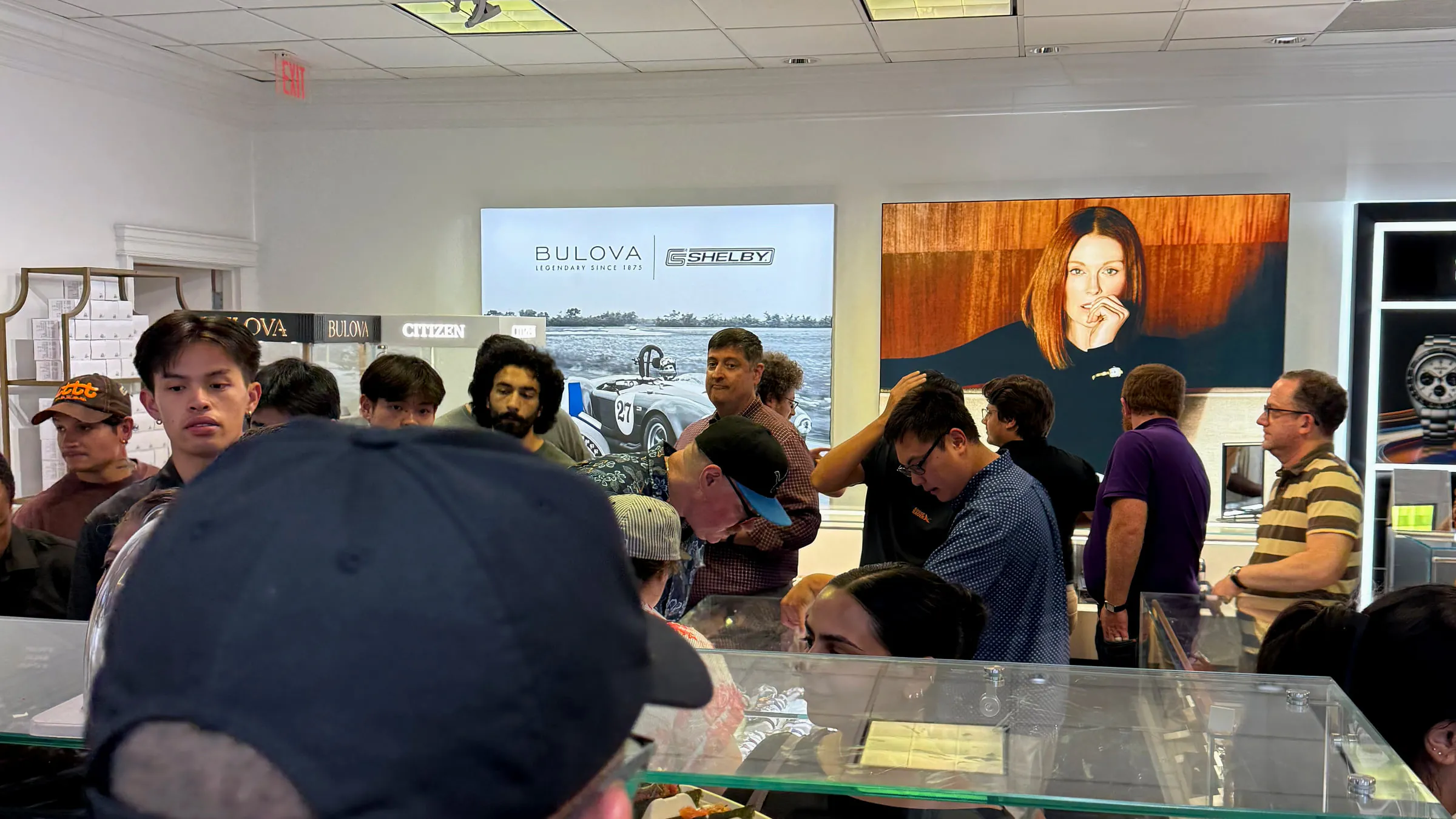
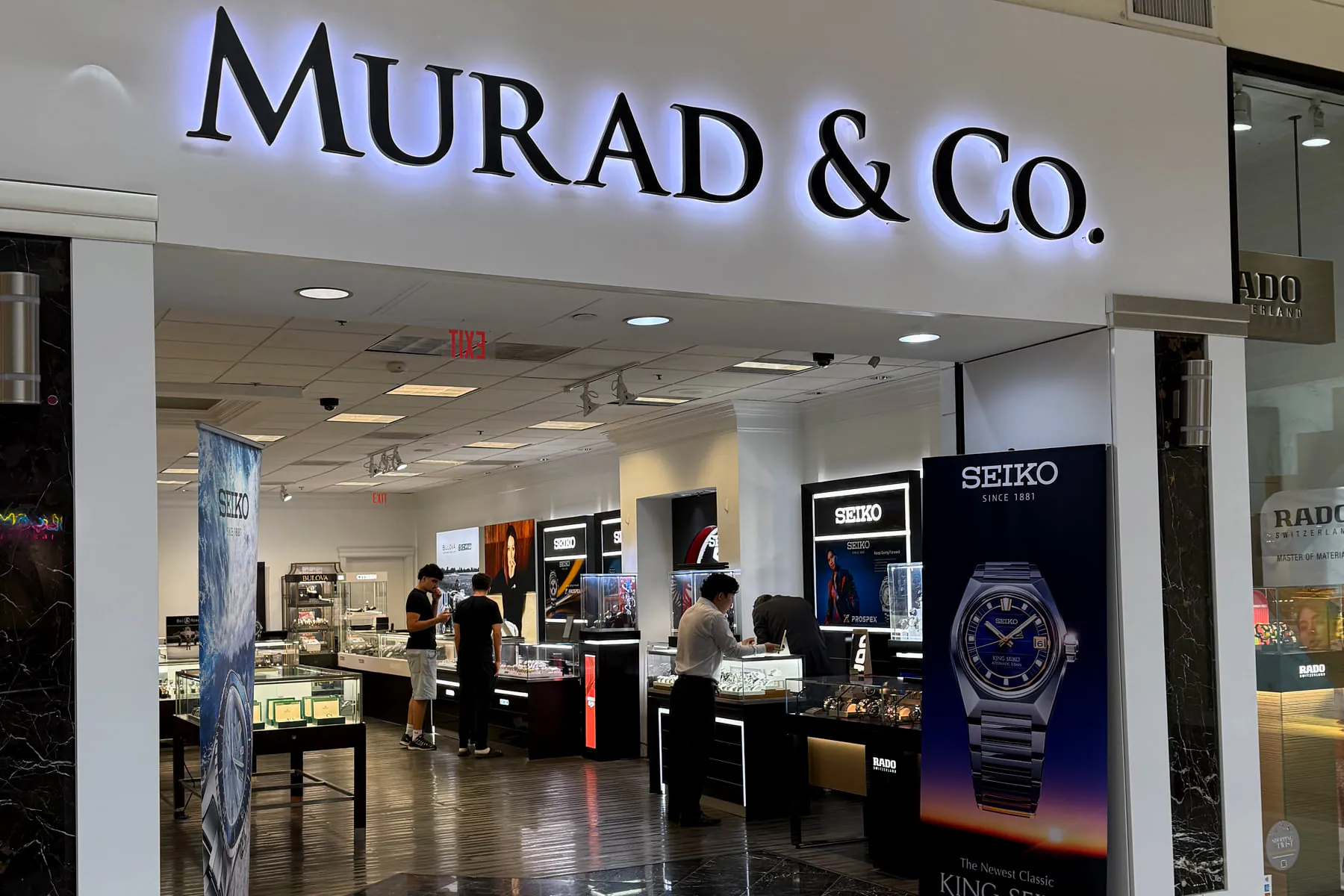
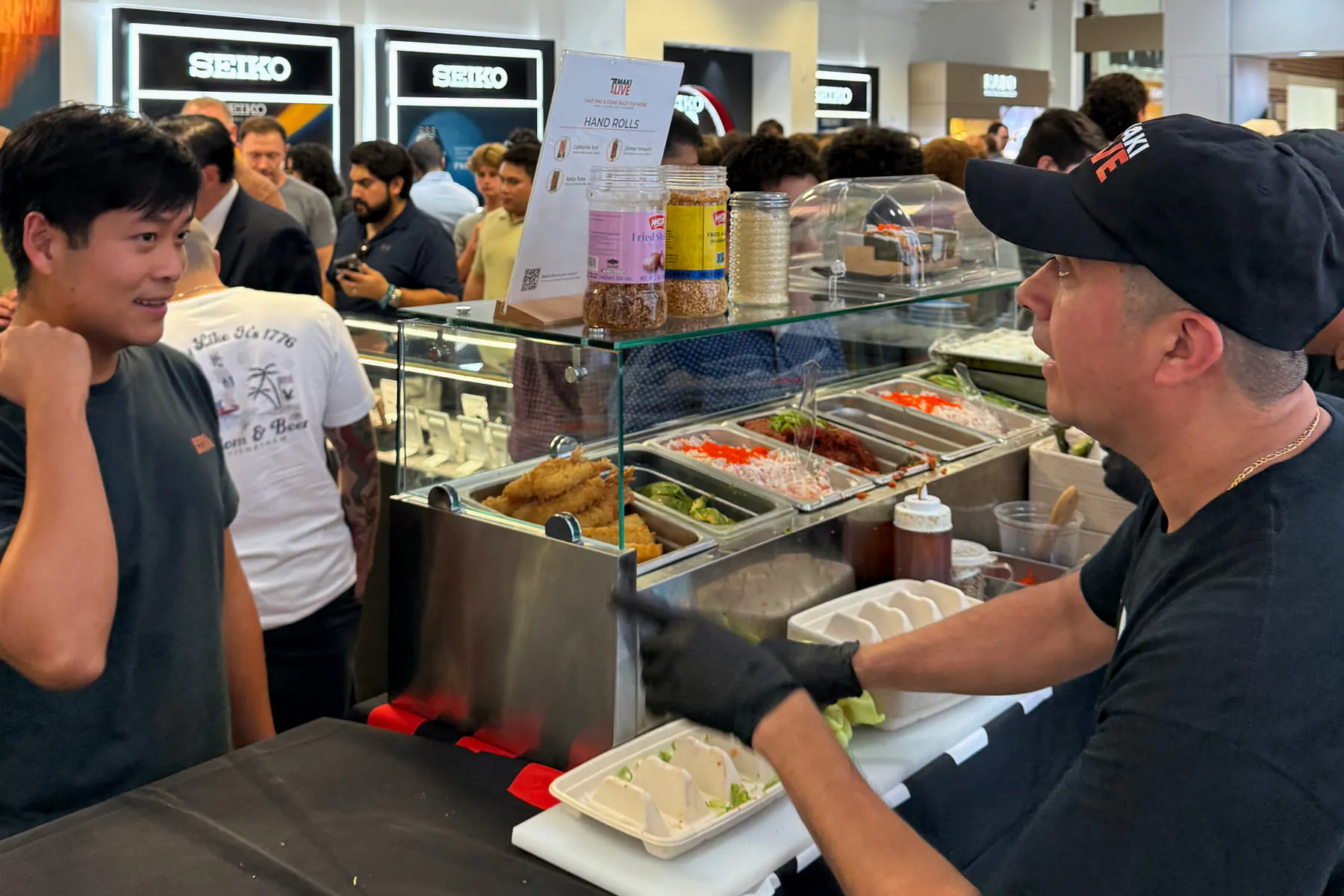
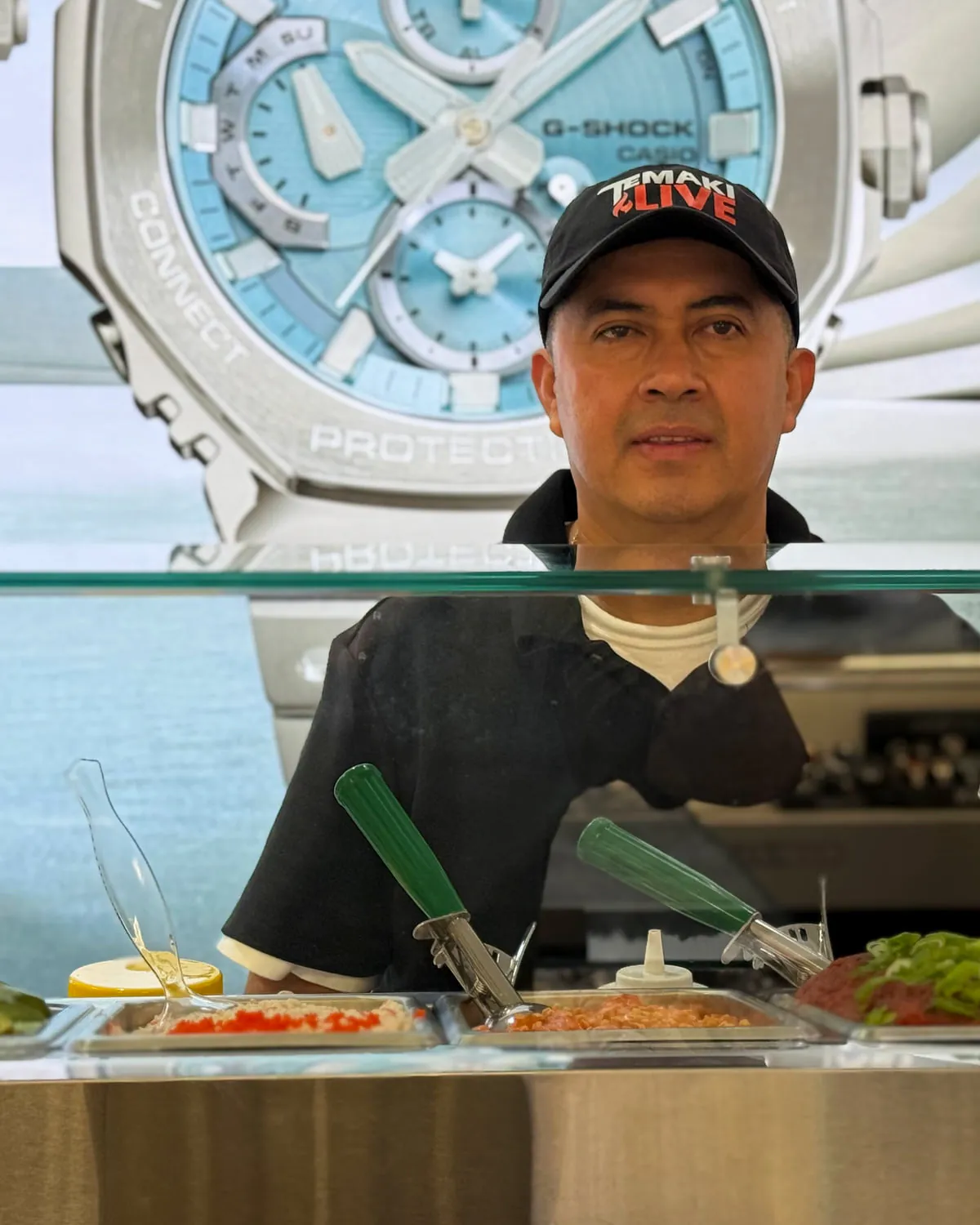
On a Thursday afternoon in September, Murad & Co put their vintage watches on display in Tysons and asked us to bring the sushi. We set a counter where the watch cases end, two chefs behind it, and rolled for two hundred guests without a kitchen on site.
What actually happened
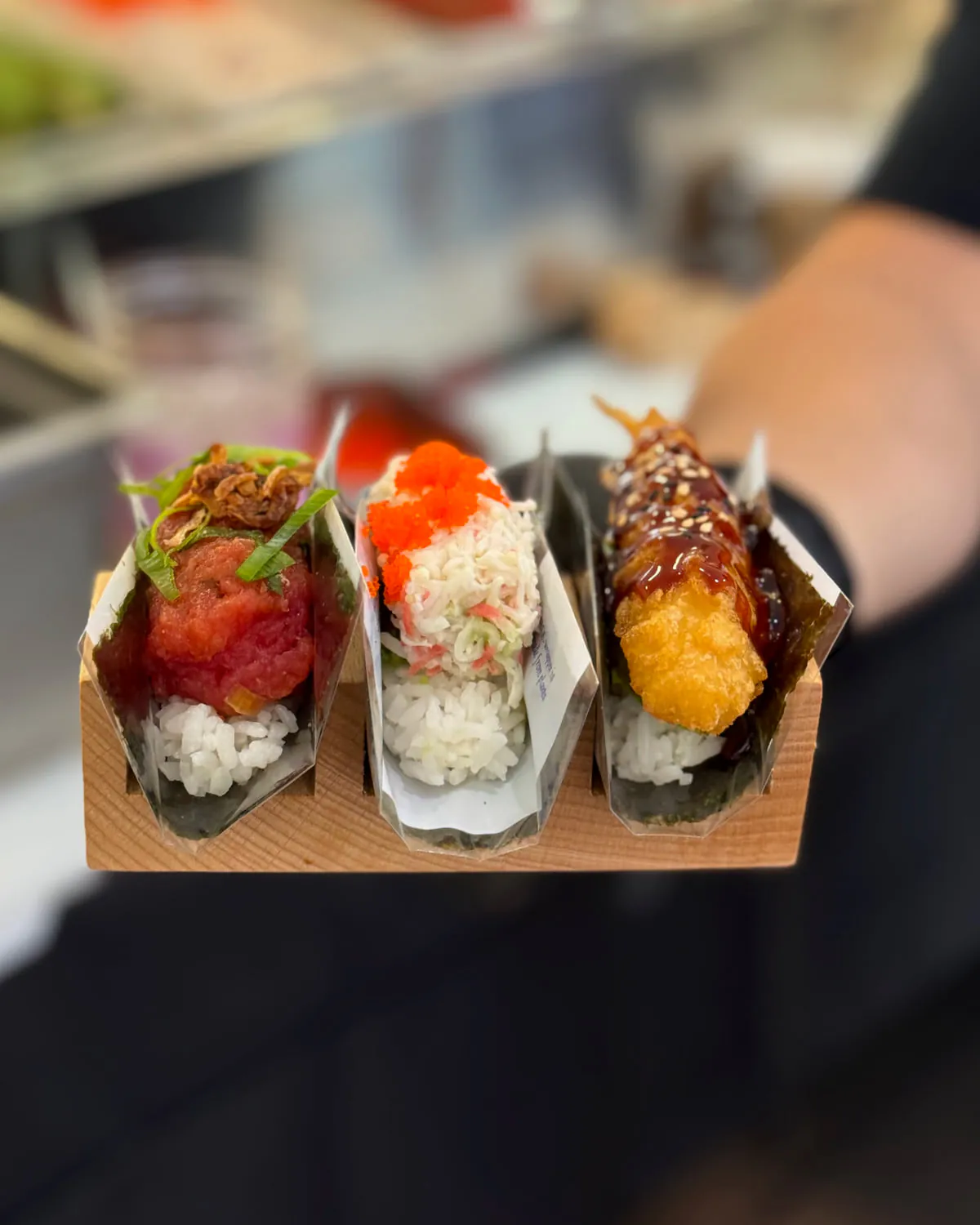
We arrived an hour before the doors: two tables, an ice bath, a glass guard, and our own wrap over the front so the bar looked like it had always been part of the room. Thirty ingredients went out in the order the rolls get built — salmon, spicy tuna, crab, shrimp tempura, avocado, tobiko, onion crunch.
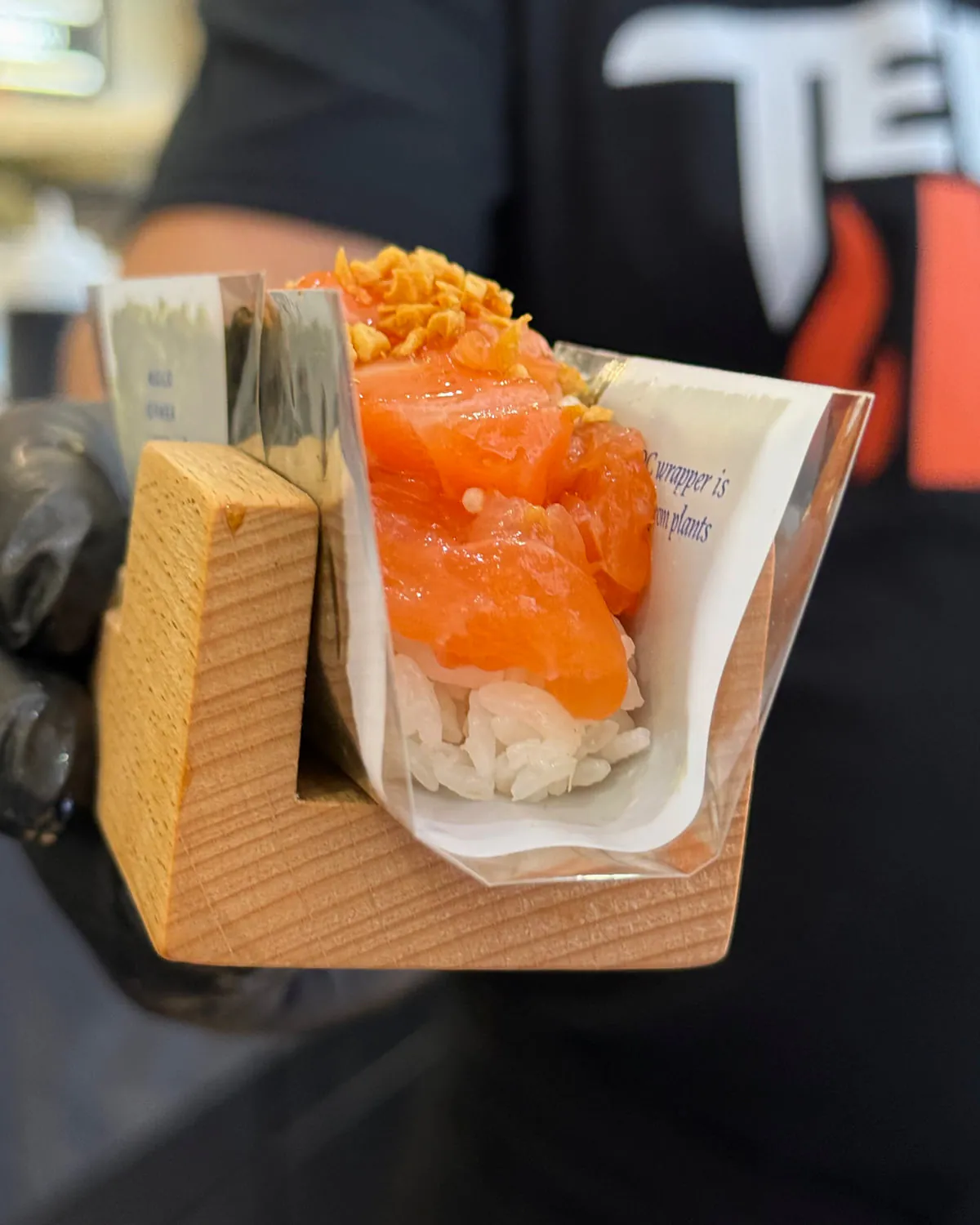
Nothing was rolled before somebody asked for it. That is the whole difference. Warm rice softens nori in minutes, which is why catered sushi so often turns up soft; ours goes from the chef's hand to yours in about twenty seconds, sealed in its own wrap.
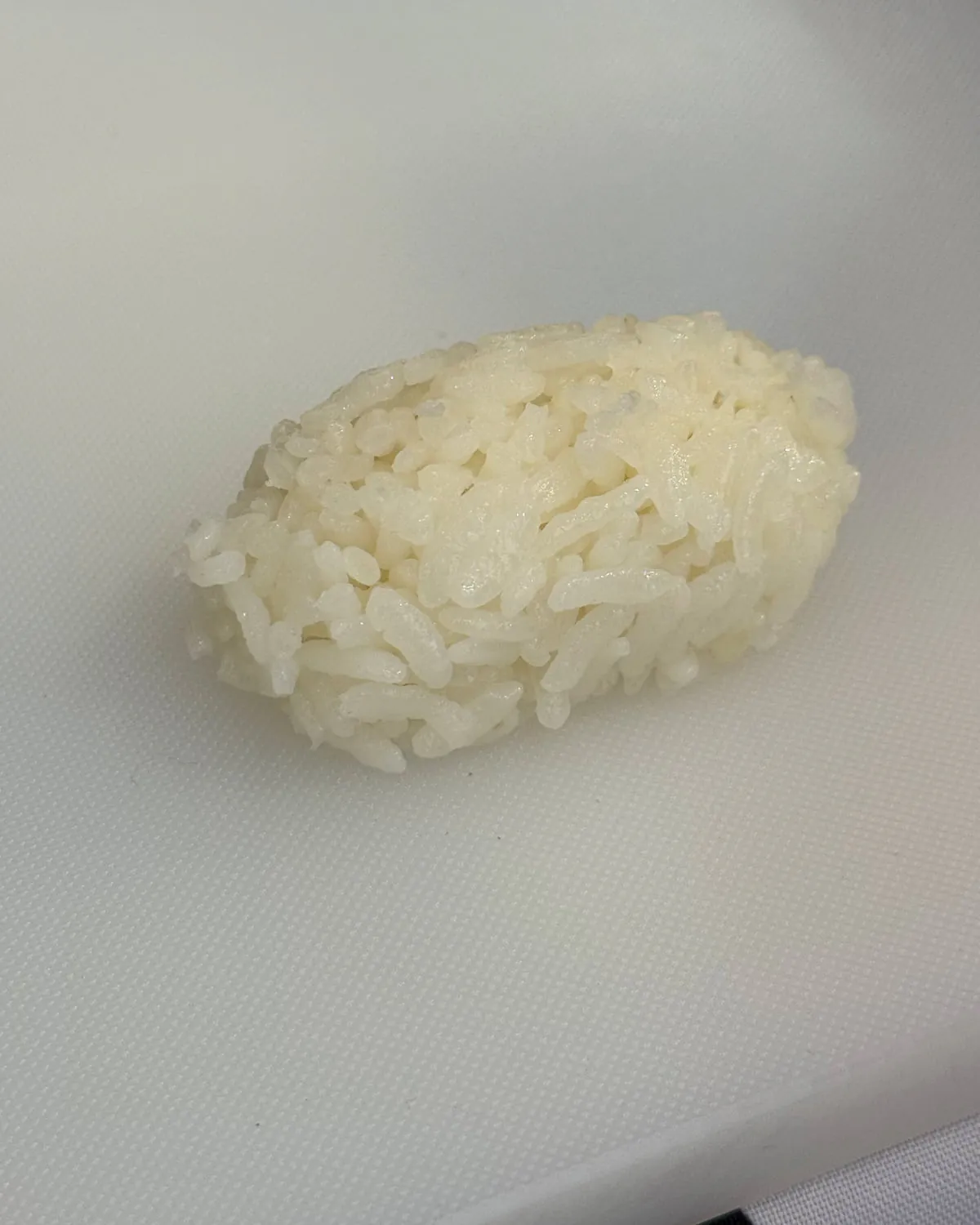
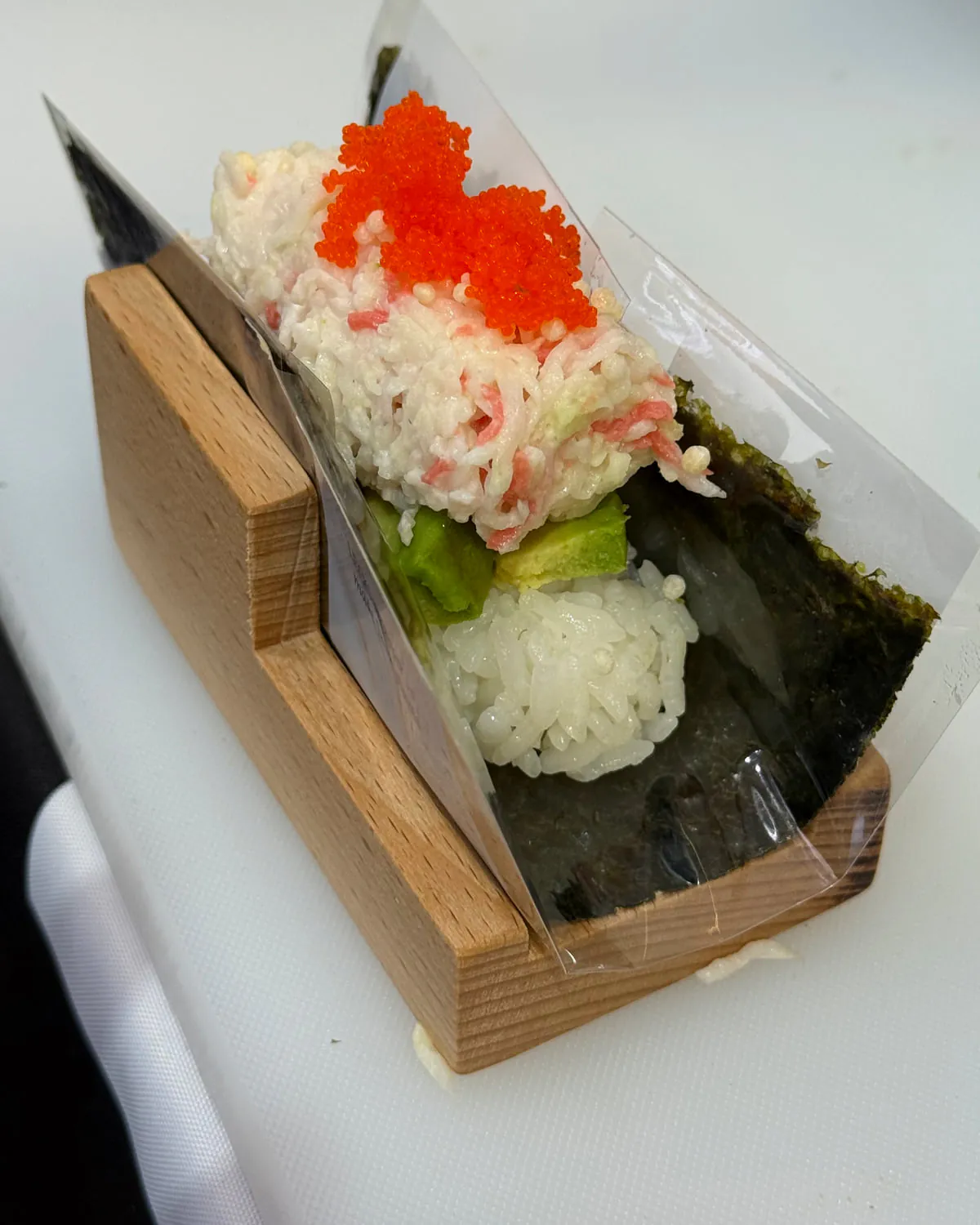
By the middle of the afternoon the counter was the busiest corner of a room full of watches. People queued, watched their roll get built, filmed it, and came back for a second. Nobody sat down, which is exactly what you want at a client event — the food keeps people standing, talking and in the room.
It becomes the center of gravity in the room and stays there for two hours.
Why a counter beats a tray
- Freshness: a platter is made hours earlier and sits through the meeting. Ours are rolled in batches of five to ten, restocked all hour.
- The queue: a drop-off creates one line at noon and cold rice by half past. A counter moves continuously — people grab one, go back for another, and no line forms.
- Leftovers: soft rice in the bin by two o'clock, or nothing left because it was eaten as it was made.
- The room: food arriving is an interruption. A counter is an attraction, and it gives people a reason to stand near each other.
Hand Rolls Friday
The version of this we like best is the standing one. Hand Rolls Friday is the same counter, booked as a repeating date — the last Friday of the month, every other Friday, or whatever rhythm your office keeps. It becomes the thing people plan their week around, and it does more for a return-to-office Friday than another pizza order ever has.
It works the same way for a clinic lunch or a pharma sales call: two chefs, a fresh batch always ready, and itemized receipts with company name, attendee count and rep name printed on them for Sunshine Act documentation.
How a Friday runs
- Minimum
- 100 hand rolls, any mix of flavors
- Per flavor
- 25 minimum, so each one is worth prepping
- On site
- Two chefs, rolling up to two hours
- Notice
- 7 days (14 in NYC, NJ & Philly) for the first date; standing dates lock in once
- Where
- Offices, clinics and showrooms across the D.C. area, New York City, New Jersey and Philadelphia
What your space needs
- A flat, dry area roughly 12 × 6 ft, with no stairs to reach it.
- Two standard 120v outlets nearby.
- Cover if there is any chance of rain, and lighting for evening events.
- Nothing else. We arrive 30–60 minutes early, bring the bar, the fish, the crew and the bins, and leave nothing to wash.
Open flame is optional. We torch-sear where a venue allows it and skip it where they don't — everything else runs the same.
From the counter to yours
Book the counter that made all this.
Corporate and pharma lunches, private events and pop-ups across the D.C. area, New York City, New Jersey and Philadelphia.